LW

Archive for May, 2009

Sleep problems are quite common among toddlers and primary-school-age children. Many people assume that children will put broken nights behind them once they pass babyhood, but it’s not necessarily the case. Certain sleep problems continue to hassle children even in their adolescence.

The most common form of sleep disturbance in young children is thought to be behavioural. Dr. Sarah Blunden, Paediatric Sleep Research Fellow of the University of South Australia, says that her research has shown that up to 30% of toddlers have a bahavioural sleep problem at some stage. Refusing to go to bed, night awakening, difficulty settling to sleep and separating from the parents at bedtime can be cited as most frequent behavioural aspects. Often these problems arise because the child has never learned to self-soothe, and instead develops quite dependent sleep associations. In such cases, the child may only be able to fall asleep under very specific conditions, such as with the light on and a dummy in, or with his mother nearby.

A recent study has found out that mothers with “hostile” parenting styles, characterized by yelling at or physical punishment of their children, are more likely to have children with behavioural sleep difficulties. Most modern mothers and grandmothers are in the habit of putting the toddlers to sleep, keeping them in front of a noisy television. This not only delays the child’s sleep, in the long run it could develop into an irritating sleep problem.

Medical conditions are another major cause of childhood sleep difficulties. These include asthma, autism and obstructive sleep apnoea (OSA),where the child briefly stops breathing a number of times each night. Habitual snoring is often the presenting symptom of OSA. Obstructive sleep apnoea may lead to significant consequences in terms of both physical and mental health, including learning difficulties, behavioural issues, and cardiovascular and blood-pressure problems.

Disturbed sleep is also seen in the children who have periodic limb movement disorder(PLMD) which seems to arise in primary-school-age children, and characterized by the child being very fidgety and restless, sometimes to the point that they are labeled as having ADHD.(Attention deficit hyperactive disorder).

Children with PLMD often resist going to bed, as they find it hard to stop their arms and legs moving, and this wakes them up during the night. They may also experience so-called ‘growing pains.’

A majority of children suffer from sleep problems as a result of parasomnias: sleep walking, sleep talking and night terrors. These can be quite common in young children. A number of factors may contribute to a state of parasomnia; stress, fever, a full bladder, certain medications and a family history of such behaviour. Recent research reveals that half of the children who exhibit parasomnias may actually have an undiagnosed respiratory sleep disorder. The breathing difficulty wakes them up, so they are partially aroused and may start walking, talking or even screaming. When they are actually tested, their brains are technically still asleep. There’s a disconnection between the part of the brain that controls motor activity and the prefrontal cortex, which exerts reason.

It is as if their brain is in neutral, but their body is in drive.
Children get disrupted at sleep, as a result of a barrage of environmental factors, such as, parental conflicts, wrong food habits (intake of coffee, tea and hot chocolate six hours prior to sleep), excessive hours of video games, going to bed with empty belly, emotionally disturbed mind as a result of peer pressure or any form of child abuse, lack of sleeping atmosphere in the bedroom etc,.

Sleep disorders can have a variety of consequences, both for the child suffering from them and their family. Children with sleep problems have poorer health-related quality of life.. Short sleep duration in children has proved to be an independent risk factor for obesity. There may also be behavioural and cognitive sequeals of disturbed sleep. Children with sleep problems are 12 times more likely to receive a diagnosis of ADHD than those without. Children with sleep problems tend to have poor memory and exhibit lower performance in tests of intelligence. Preschool sleep problems have also been found to be associated with maternal, general and mental health, though interestingly have little effect on fathers.( So, all mothers out there, it’s your turn to think twice about yourself, when your child experiences troubled sleep)

According to research, children with behavioural sleep problems will grow out of these in time, especially those in whom the disturbance is mild. The rest however may need treatment or therapy. A number of methods may be used to achieve this, including establishing good ‘sleep hygiene’ and behavioural modification techniques such as star charts, where the parents gradually remove the child from the parents’ bedroom so the child learns to fall asleep, or go back to sleep, by himself. The ultimate aim is to make these changes without distress. Establishing a bedtime routine could promote peaceful sleep in children. Kids should always do three or four calming activities before bed and they should be exactly the same activities every night. Bath, reading, prayer whatever- daily repetition cues your child’s body for sleep. A routine is just as important for a fifteen year old as it is for a toddler.

A good night’s sleep actually starts in the morning. Children must be taught to wake up at the same time every day. Sunlight activates the brain. Hence, activating the brain at the same time every morning teaches your body that at noon it’s supposed to be awake and at midnight it’s supposed to be asleep. Establishing good sleep-hygiene has been found useful in reducing parasomnias, while surgery to remove the tonsils or adenoids has been more beneficial with regards to OSA.

Sleep problems in children need to be closely monitored by the parents in order to reduce its adverse effects and thereby help children have a good-night sleep. A good sleep is as important as a balanced diet.

The Princess Diaries
10 (the final book in the series)
Meg Cabot

This is the last installment of the very popular books written on Princess Amelia Mignoette Grimaldi Thermopolis Renaldo of which many movies were also produced. In this last book, Mia finally finds out who her true love is, and graduates from High School to College while dealing with all the mixed and confusing feelings that are territorial with the growing-up process, Mia has learnt a lot of lessons in appreciating true friends and their loyalty as well as how to live the life on her own terms.

Allie Finkle’s Rules for Girls
Meg Cabot

Nine-year old Allie Rinkle has just been informed by her parents that they are moving houses. Allie is not happy about giving up her pretty pink room, or her school or her great and comfortable friends. She’s scare-to-death about the new room in the new house, and the whole new process of sitting in with the new class room full of new faces and her new neighbours. To make it easier, Allie forms new rules regarding her predicament and you also can learn how she dealt with her fears, if you tuck into this book. Best suited to young girls!!


Tribute
Nora Roberts

Janet Hardy was a Hollywood legend. Glamorous, brilliant yet deeply troubled and she died in mysterious circumstances. Her village home, “The Little Farm” lay abandoned and uncared-for after her death. Janet’s granddaughter, Chilla McGowan moves to the abandoned farm house hoping to unravel the mystery surrounding her grandmother’s death and to find her true calling. But, someone in the locality resents Cilla’s presence and is trying hard to protect some secret…. Cilla must do her own investigations to be able to lay the past to rest.

The Boleyn Inheritance
Philippa Gregory

The most popular author on historical novels, Philippa Gregory’s “The Other Boleyn Girl” was acclaimed as a No. 1 best seller topping the charts. In this novel, the author brings the women of Henry VIII’s court vividly to life. It is quite debatable whether any other court in history other than Henry VIII’s was ever more packed with intrigue, danger and excitement. Anne of Cleaves, Katherine Howard, Jane Rochford were all key figures at Henry VIII’s court who each has to play their historical roles. Philippa brings these ladies, back to life by her vivid and delicious story telling abilities.

The Deep Silence
Punyakante Wijenaike

This is a collection of both short stories as well as verses. The author is no stranger to the local readers as she had been the recipient of the State Literary Award, Commonwealth Prize and the coveted Gratiaen Prize. She is also the author of many nationally acclaimed novels and collections of short stories. This is her latest. The book carries forty short stories and verses written on everyday experiences and situations. They are written with a deep meaning together with sensitive feelings.

Special Reviews

Colombo Living High – A City In Transition
By Nirmala P. Herath & Devasriyani Jayasundara

Nirmala Herath is a past pupil of Pushpadana Girls College of Kandy who, after obtaining her BSc in Public Administration at the Vidyodaya University, went on to qualify herself in every aspect of Urban Planning. She has had the opportunity and gaining experience from working on local as well as international level projects on urban planning. Devasriyani Jayasundara is a past pupil of Gothami Balika Vidyalaya, Colombo. She graduated from the University of Colombo in Development Studies and furthered her education on the lines of urban planning. She has obtained much knowledge and experience from studying at various universities and institutions on her chosen line of studies in Urban Planning & Housing. The book is the result of their long standing working relationship. The book provides a vivid description of the built environment in Colombo as it exists today, with many a high-rise apartment building almost frequently altering the city’s skyline. The publication should be useful both to property developers as well as professionals involved in the urban planning. It should also help the aspiring students of Architecture and Town Planning, as there are well-detailed maps and topographical information.

Tea – A Journey In Time
By John Weatherstone

A wonderfully informative and enjoyable book!! Long years ago, the spirit of adventure in unchartered lands drove young Britishers to far-flung parts of the Asian continent - ‘The Empire’ where in the hearts of these countries amidst many hardships, they established great and sprawling plantations. Each time I visit an estate for my ‘bungalow review’ feature, I marvel at the adventurous nature of the old Britisher or the Scotsman, who had the courage to enter and conquer a hostile land and a people to start the estates long long years ago, fruits of their labour, even today, we reap.
From being a medicinal drink in China 5000 years ago tea grew to being a drink that hauled in many riches to the countries as well as anyone associated with it. Even today, many countries in the Asian region treat tea, as a plant with an economic value. The contents of the book are presented in seven segments starting from the past history of the tea cup to the “Tea Into the 21st Century” in much detail made more enjoyable to read by the insertion of many colourful plates, drawings, engravings and photographs from the past to the present.

As well as being a historical journey through the tea – trait, it also tells you a lot about the historical and social atmosphere of the world and the countries concerned as regards to the tea trade. It touches informatively on the cultural and traditional aspects of the countries, their living conditions as of then and now, and also, the changes that have taken place in the making of tea from that olden day to today. The writer also touches on the history of the other crops such as coffee, cinchona, cocoa and later on rubber as well. With wonderful illustrations and enjoyable tales of the past, the book is destined to become a collector’s item before long!!!

Parenting Your Defiant Child
By Dr. Alan E Kazdin

In this really astonishingly insightful book, Dr. Kazdin, the Director of the Yale Parenting Center and Child Conduct Clinic at Yale University details step-by-step method of changing difficult behaviour. It details as:
• How to use tone of voice
• When and how to discipline
• How to lead your child in practice sessions of good behaviour
• How to involve non-offending siblings.
In its rich pages of sound advice and guidelines, the sanity and calmness parents yearn for, can be found. It is a book every parent should have nearby, as it is, quite exceptionally, invaluable especially it guides you through difficult stages in parenting!!

…continued from last issue

What Will Happen After diagnosis ?

If Gestational Diabetes is diagnosed ,usually you will be admitted to hospital for control of blood sugar. Once your blood sugar levels are controlled, you will need to attend antenatal clinic, or admitted to the hospital, more frequently. You will attend a special clinic or combined antenatal clinic where you will be seen by both the diabetes team and the obstetric team. Some times these patients will be seen in the same clinic where other moms are seen as special diabetic clinics for pregnant mothers are not available in many hospitals.

Advice will be given and an appointment will be arranged for you to see the dietician. You will need to monitor your blood sugar level regularly using a blood glucose meter, or from a local laboratory or hospital lab.

What Treatment Will I Need?

In some cases a change in eating habits and a healthy diet will be all that is needed. This type of diet is called a ‘diabetic diet’ and you will be given an information leaflet on what to take and what not to etc. It is important to reduce consumption of sugary foods like cakes, biscuits , soft drinks and tea etc. A diet that is low in fat is also desirable, the diet sheet will help you to achieve this. Gentle exercise may also prevent excessive weight gain in pregnancy, which will help to improve blood glucose control.

Usually if you are diagnosed as gestational diabetes the treatment is ‘insulin’ given as an injection. You will be put on a ‘diabetic diet’ too. But if you fall in to impaired glucose tolerance group, first you will be given a diabetic diet for about two days and then your blood sugars will be checked early in the morning(Fasting) and then two hours after each meal. If these blood sugars are high you will be given insulin .

If your blood glucose does not return to normal with a healthy diet, it may be necessary to take insulin treatment for the remainder of your pregnancy. There is no fixed insulin regimen for everybody. Therefore depending on how high the blood sugar levels are after each meal, you will be given insulin. Then again your blood sugars will be tested adjusting the dose of insulin to see if it is under control and this will be done frequently at the beginning until good control is achieved. Once good control is achieved you will be taught how to inject your own insulin by your self. There are new methods and preparations available which makes this an easy procedure (Eg - Insulin pens) Once good control is achieved you will be discharged home from the hospital .

Then you will be asked to check your blood sugars two hours after each meal in a day (This is called a Blood sugar series and commonly known as BSS) once or twice a week throughout the pregnancy .As the pregnancy advances your insulin requirement can rise.

What are the effects of Gestational Diabetes on the Pregnancy Will it affect my baby?

Most women who have diabetes can have healthy babies, but they are at a higher risk of getting complications than a non-diabetic pregnancy. Having high blood sugar levels can affect the baby’s growth in the womb. This can cause the baby to grow larger(called macrosomia), which can sometimes make delivery difficult, but rarely it can also slow down the baby’s growth especially if there is associated high blood pressure, and both of these can affect development.

If there is excess water around the baby (called polyhydramnios) which is seen commonly in diabetic pregnancies, it can lead to premature delivery giving rise to breathing problems of the baby.
Inside the womb the fetus produce extra amount of insulin to cope up with the high blood sugar levels which it receives through the umbilical cord. Shortly after birth, the baby may continue to make extra insulin even though high levels of blood sugar are no longer present.

This may cause the baby to have low blood sugar (hypoglycaemia) which can be harmful to the baby. Your baby will be observed for clinical signs of this and may have its blood glucose checked. If it is low it will be treated immediately by giving your baby a feed. Occasionally in a severe case, the baby might need a glucose drip.

It is more likely that your newborn baby will develop jaundice(yellow discolouration of skin). This usually fades over a few days, without the need for medical treatment. Some babies may need phototherapy for a few days. Sometimes newborns, particularly if born early, can have breathing problems because their lungs have not fully matured. Excess blood sugar levels too can hamper the lung maturation . Extra oxygen may be needed at this time but only for a few days.
There is a slightly higher risk of sudden death inside the womb (intra uterine death-IUD), but if the glucose levels are reasonably controlled throughout pregnancy, this risk is lessened and is rare.

How Will It Affect Labour?

If you are treated by diet alone then it will not affect your labour. If you need to take insulin your blood sugars will be checked regularly during labour and you may need a drip. To ensure the wellbeing your baby it will be continually monitored. Most women with gestational diabetes, whose blood sugar levels stay within the safe range, deliver their babies without complications. Labour carries little or no extra risk unless the baby is large. Providing all is well and blood sugars are controlled, mothers can expect a normal delivery at Term(After 37 weeks ). If spontaneous labour has not occurred by term(usually by 40 weeks) the induction of labour( to start the process of labour artificially by making the neck of the womb favourable by giving a medication or breaking the waters and starting a drip up is called induction) will be arranged. Your doctor will discuss all this with you at the 36-week antenatal check.

What Happens After Delivery?

After your baby is born your blood glucose level generally returns to normal .This happens basically due to expulsion of the placenta following delivery, which is the cause for onset of diabetes. If you were on a saline or insulin drip, it will be stopped, your usual diet can resume, and the insulin will be discontinued. A glucose tolerance test will be arranged for you 6 to 8 weeks after your baby is born to ensure your blood glucose has returned to normal.

Can I breast feed?

Yes, breastfeeding is strongly encouraged and it also helps to bring down the blood sugar levels back to normal .

Will I Be Diabetic After The Baby Is Born?

If you have had diabetes during your pregnancy( Gestational Diabetes) there is a higher risk of you developing diabetes later in life. It is most common in women if you have other risk factors for diabetes like obesity, family members with diabetes etc. It is always better to check your blood sugar levels at least once a year since diabetes can develop silently in later years. Passing more urine frequently , increased thirst, weight loss despite increased appetite and excessive tiredness are the main symptoms that you have to look out after pregnancy. To reduce the risk all should have a healthy lifestyle.

Will I Be Diabetic In My Next Pregnancy?

There is a higher risk of you getting diabetes in a subsequent pregnancy if you have had Gestational diabetes in a previous pregnancy. Therefore it is important to tell your doctor as soon as you find that you are pregnant so that you will be offered an OGTT after 24 weeks .

DR.VIJITH VIDYABHUSHANA MBBS (Col) MS (Col),
MRCOG (UK), DFFP (UK), RCR/RCOG DIP ADVANCED OBSTETRIC ULTRASOUND SCANNING (UK) COMSULTANT SCANNING (UK) CONSULTANT OBSTETRICIAN & GYNAECOLOGIST, ACCREDITED OBSTETRIC ULTRASOUND SPECIALIST

May 21, 2009 | No comments | Beauty

Beauty Tips

Xpert at British Cosmetics Nail Studios are geared to offer you the pampering your hand and nails deserve. A system of OPI products formulated with natures’ most soothing and effective botanicals, renews and restores feet to silky smoothness.

To combat daily worries of the heat OPI has introduced this line; Feet by OPI Double Coverage; Soaking dry feet with Shea butter while protecting against foot irritation, combats odour. Callus Therapy ; smoothes dry cracked skin, tames calluses, soothes other associated foot problems.

Hair will rapidly be affected by the outside temperature & humidity. Innova Hair Care, the premium brand in the world, for healthy looking hair, has most reliable and effective products to over come hair damage.

Glamour Range;
Innova Glamour – Enriched with proven benefits for a perfect, glamorous performance. Innova Glamour offers a range of highly effective products to keep your customers’ hair looking healthy, shiny and fabulously glamorous. It’s quite simply the one-stop solution for shiny hair. Those of you who have a dull, dry, limpy hair this would be your super star!

Curly hair by nature is dehydrated, especially during this warm weather, hair is more aggressive, unruly, and frizzy. Formulated, knowing the general condition the Curly hair, Innova Curl, the smart hair care & styling system know what curly hair needs. Whether thin and lifeless or thin and frizzy or natural or perm – retrieve healthy and perfectly defined curls.

Brides do you believe in fairytales? Maybe you should. After all it’s your day! Available at Xpert Beauty Studios at Crescat, MC, we have special deals to make your fairytale dream come true. Especially selected range of new Fairytale Bride Soft shades by OPI- delectably delicate gossamer shades of light pink, that are dreamy, girly and altogether too pretty to pass up. TOO…. beautiful to save for weddings.


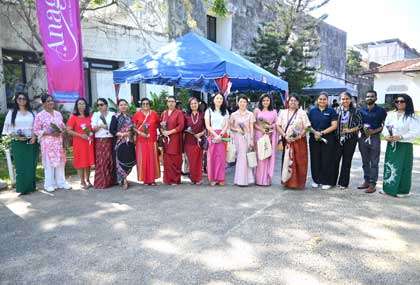
The Kerala Vanitha Samajam of Sri Lanka celebrated International Women’s day at the Mallika Old Age Home by treating the elderly ladies to a tea party which was followed by the distribution of essential medicine.

The President of the Kerala Vanitha Samajam, Shakunthala Chandrasekharan told LW that this was the first project that the Samajam undertook, since its revival.

“The Kerala Vanitha Samajam was revived this year, after 20 long years of absence. The Samajam consists of the wives of the expatriate Kerala community who have settled down in Sri Lanka.

We revived this society with the main aim of engaging in social work and carrying out charity projects regularly for the benefit of the society. This is the first charity project we organized since the society resumed its duties.”

The tea party, which was the highlight of the modest event, was followed by the distribution of medicine that included vitamins and painkillers sponsored by Mega Life Sciences.

The elders were delighted by the Samajam’s kind gesture and sincerely appreciated their good efforts.

The President of the Samajam further noted that they hoped to organize a cultural program for the elders soon.

The Mallika Old Age Home situated at Vishaka Road, Bambalapitiya was founded by the great Anagarika Dharmapala’s loving mother Mallika Hewavitharane Lama Theni.

Migration has been a continuous and hot topic in Sri Lanka. Scores of Sri Lankans leave the shores of their motherland armed with bundles of hopes that the grass is greener on the other side with aspirations of becoming somebody. Though there are a number of those who realize their dreams amidst all odds, there are several unsuspecting Sri Lankans who get hoodwinked by unscrupulous agents or so called consultants leaving them utterly disillusioned about their dream of reaching greener pastures.

LW visited the Australian Migration Centre, migration consultants of repute to find out the nitty gritty of Australian migration from the lady behind the scene, inspirational Surani Punchihewa and her husband Hemantha.

[by Shabnam Farook]

Tell us how the Australian Migration Centre came into being?

A: My husband was the primary person who had the license to practice as a Migration Consultant nine years ago. With time when he started taking on more cases I came onboard to assist him. Subsequently, I obtained my license to practice in 2004. This profession requires one to have a license in Australia. There are very few licensed practitioners operating in Sri Lanka and the public don’t generally have access to a licensed practitioner because most of them are based overseas. For more than six years we practiced from Melbourne. Subsequently, Hemantha and I decided to come to Sri Lanka and create our boutique firm in 2007 which is now a fully fledged company with 20 case officers. Since early 2007, we have been permanently based in Colombo.

We work with a team based in Australia and also hire external consultants who are experts in the field of migration. The operation is bigger than one would anticipate but we are at an advantageous position as my husband and I are the only Migration Consultants permanently based in Sri Lanka.
We have now established links with Canadian counterparts and will commence on Canadian Migration operations in the very near future.

Migration to Australia isn’t obviously as easy as it seems, so take us through the process and enlighten us as to how you provide a service to those who wish to migrate to Australia?

A: Well, if we have an inquiry from someone interested in migrating we test their eligibility. There is a basic criteria you need to fulfill such as the age limit, English knowledge and mostly importantly the occupation has to be in Australia’s skills in demand list. Once we cover the basics then it progresses into an in depth analysis of the case in concern. After careful consideration we come to a conclusion if the client can migrate or not.

Once the application starts processing we look after the total procedure until the client gets the visa into their hands. We liaise with several Australian departments to get the visa across, so lots of coordination is done by us.

Migration prospects to Australia depend on the profession and no case is exactly the same.
The Australian Migration Centre handles skilled migration, spouse visas and parent visas, but 98% of our profile consists of skilled migration. We process a large number of cases in a year and we are the largest Australian migration company in Sri Lanka. We believe in building a reputation because people in Sri Lanka believe that foreign employment equals a rogue but we want to prove that it’s not the case with every Consultant. Building this image against the stigma that exists has been a tough task for us. We anticipate there will be new laws enforced by the Sri Lankan government to crack down on unregistered operations to protect the interest of the public.

How does one pick a suitable Migration Consultant? Is there any advice you’ll like to share with us?

A: The public must take into account that anyone who is practicing in this industry must have a license. You have to verify if these consultants have a current registration number which could be checked through the MARA website. If the registration is not up-to-date that is an indication that these consultants don’t have sufficient knowledge of the existing laws.

The registration number must be renewed annually while the consultants are also compelled to attend seminars and undergo continuous professional development (CPD). I would advice those who wish to migrate to shop around and not limit yourself by visiting just one. It’s important to remember that apart from the updated registration number the consultant must give exact advice as to how your visa will be processed? How will it be processed? Under which category? What are the monies involved? are the ideal questions that need to be raised prior to handing over your case.

The process is transparent and by law we are required to have an agreement between the consultant and the client where every single detail is thoroughly spelled out. There are rigid laws imposed by the MARA in terms of all transactions done between the client and the consultant. There is a strict CODE of CONDUCT which all licensed practitioners are governed by.

Travel hopefuls can check out the Australian department of immigration website www.immi.gov.au and the Migration agents’ registration authority www.themara.com.au. Additionally, the Australian Migration Centre has offered a helping hand to many students both at technical and university level. Recently, the Australian Migration Centre started a project to establish computer centres in schools in the Horana district. Eventually, we are hoping to facilitate 44 schools with the assistance of Australian aid.

Being a woman in a fiercely aggressive profession such as this must be challenging. How do you take on this challenge head on?

A: I had to work really hard to bring our business to this level. It involves a lot of dedication and focus.
Building the trust was the most challenging because I was the only registered woman in the business based in Colombo and competing with men was really tough. I’m grateful to the support I’ve got from the media as it has helped the business a great deal and I’ve built the trust and confidence among the public.

Service is the key to building a successful company. My experience in Japan taught me how to serve and bow down to my customer. I try my best to talk to each client regularly and build a rapport with them by making myself available whenever they want me. I sometimes see 50 people a day and it’s really exhausting, but to the 50th person it’s his or her precious life so I treat that person as if they are the most important thing in my life.

Our company is different because the client has access to information and there is a confident person to talk about the law, provide the necessary advice and protect the confidentiality.
I deal with a lot of confidential information and being a female I have an advantage over the others.

The Australian Migration Centre is a family business run by you and your husband Hemantha. Do you enjoy working with your husband? Is there a positive chemistry?

A: Well, the negative side of working with my husband is that you constantly see eachother and you don’t have your own space. But fortunately, we have the flexibility to work on our own schedules and we try our best not to catch up during work. I take it positively that I have him all the time because a lot of encouragement is provided and we get to work towards a common goal. Working with him makes me shine better than being without him. I’m his pillar and he is mine. The public trust us because we are husband and wife and we have a family.

How do you juggle such a demanding job and still manage to spend time with your family?

A: To start from the beginning I studied at Vishaka Vidyalaya. After my A/L’s I left for Japan to complete to tertiary education. Then I left to Australia as a teacher where I met my husband.
I have two children. Oshini is eight and Kiara almost four years. My mother has been my strength. She gives me the strength and provides the opportunity to expand because she notices my potential to grow.

I work on a strict schedule; I meditate in the morning which gives me an enormous amount of strength to focus on my goals and improves my level of concentration.
I take a break on Sundays and spend quality time with my kids. Hemantha gets actively involved and helps me every step of the way.

Is there a philosophy that has guided you and seen you through life’s trials and tribulations?

A: I strongly believe that it’s not about achieving the goal but the process in how you achieve it and the development you make for yourself and others. Personally I always try to appreciate life rather than dwell on the negativity.

I never work for money, its quality and customer service first and then money simply follows.
My motto is that sheer hard work has its results no mater what background you come from so work towards a goal. With a little bit of determination, courage and hard work you will get there.

The Australian Migration Centre is situated at 5/6 Railway Avenue, Nugegoda and could be contacted on 2818833 or + 61 -3-95702277.
The website is www.australianmigrationcentre.com

May 21, 2009 | No comments | Homes

A House Reborn

[by Lakmini Wijemanne]

Nearly thirty years ago, when Mr. & Mrs. Fernandopulle purchased a block of land in the heart of Colombo 7, it cost them quite a bit of money. So, when they asked their architects - Selveratnam & Perera Architects - to design a home for them, the primary request was, to design a space-efficient home to suit all their needs. Thus, the house was designed and built on this 10 perch land extent. It initially had a ground floor, first and a second floor, plus a small annexe at the side.

Now, 30 years later, the house not only houses the living quarters for Kanthi, Sithara and Sithara’s husband, but also accommodates their business premises as well. For, this is the home of the well known mother and daughter duo - Kanthi, Sithara Fernandopulle. Sithara is a multi-talented young lady, who, apart from her salon and bridal dressing work, had tried her hand at interior dècor as well. She started from home itself first, the annexe was remodeled to suit their main line of work, beauty therapy and bridal dressing.

Next, she turned her attentions to the main house. She streamlined the interior by taking away unwanted walls and pillars and introduced new textures and spaces to the house. The result is – beautiful!! As you enter from the main entrance, you enter into an entrance foyer area. This is in warm orange and yellow tones with a long county sofa running along one length of the wall. The wall behind the sofa is adorned with a wonderful rajasthan tapestry framed with a gilt frame.

This entrance area opens out to the drawing room and the dining area is part of a long hall. The teak and wrought iron staircase leads to the first and the second floor.

Taking away some walls and wall cupboards in the dining area, Sithara has made this space into a long hall with the wall in the background of the drawing, room beautifully done-up with rough-hewn clay tiles with uneven surfaces. The drawing room is furnished with a modern sofa set upholstered in black with a number of cushions covered in beige, which adds a distinct look to the area a few well chosen antique pieces from “Gandhara” and “Archipelago” adds the finishing glamour to the room.

At the other end of the hall, the dining table has a seating capacity of 10 guests. A side cabinet houses the glass and crystal-ware with a small sink installed in the corner to wash hands.

A long line of glass doors running the length of this hall, separates it from the small garden area.

To make it labour-efficient, the floor has been laid with cement paving blocks and the granite wall which marks the boundary wall is interspersed with palm trees. Thick cotton blinds hung on the glass doors, keep away the glare of the harsh sun. The entire floor is in polished hard-wood.

The house has three bedrooms. two in the first floor and one downstairs. In the first floor, there were two bedrooms and a pantry. Since this floor is also connected to the salon and the bridal dressing rooms, Sithara informed me that the family tend to stay more on this floor, so they thought it is better to have a pantry cum kitchen installed on this floor.

Another stairway leads to the 2nd floor which is considered as the utility floor, where all the washing, drying and ironing are done. Thus, true to their clients’ request, the architectural firm made full use of the mere 10 perches and built a very functional house, which, with her artistic abilities Sithara made into a more space-efficient and glamorous space. Quite in the near future, you might hear Sithara’s name mentioned in connection with interior planning and décor!!!

[ by Shabnam Farook ]

Chathuri Samaraweera biography:
Chathuri Samaraweera found herself surrendering to her love of fashion when she went to attend FDIM (Fashion Institute of Design and Merchandising) L.A California, USA and followed a degree in “Fashion Design.”

After working her way up the world of glitz and glamour in Los Angeles (L.A), her life took a dramatic turn for the better when the determined young designer, was resolute to venture out on her own vying to make a name in Sri Lanka. Starting her business from scratch Chathuri has now branched out to launch two exclusive collections namely ANAYA and Ice in the local market.

The angelic allure of ANAYA and the bold and beautiful Ice:
I create collections that are contemporary, sophisticated, feminine and chic. ANAYA is created under the theme “Timeless beauty of just being you…..” .The clothes have a sense of timelessness and can remain in your closet for several years. The collection is made with the highest quality, using luxurious fabrics keeping the “perfect fit” in mind. Currently, the line is sold at Odel and selected boutiques in L.A whereas; Ice is a bolder collection of t -shirts and comfy tops that go well with jeans, which is sold at Cotton Collection. It’s all about making a statement when it comes to Ice.

How fashion became a way of life for Chathuri:
After my marriage, my husband and I moved to L.A. I did a degree in Fashion Design at FDIM - Fashion Institute of Design and Merchandising L.A California. My first job was with BCBG Max Azria an US based design house. I was recruited as a Design Assistant after working as an Intern in the BCBGirls label.

My second job was at “RAMPAGE” a junior retail chain in the US. It was a trendy clothing line that created clothes for the teenage audience. I was working as an Associate Designer in the knits division where I had to design almost 80 to 120 designs every month. It was a fast paced industry with trends changing almost everyday. Working there was crazy, stressful with long hours and a hectic life style. It was truly a “RAMPAGE”. But the experience was amazing.

Later on I worked for “TRUE MEANING” a cool contemporary label based in L.A. We created novelty jackets for celebrities and high end clientele selling at boutiques like Lisa Kline in Beverly Hills. One of the most thrilling moments was when celebrity host and super model Tyra Banks wore a pinstriped jacket with a vintage lace ruffle I designed, for her popular Tyra Banks Show in March 2006.
I have also worked in India and China which was an incredible experience that has enriched my life.
I now head the Design and Development team at MAS Active. With the launch of my new career as an individual designer I started working for MAS Active on a part time basis. Juggling both jobs create the perfect balance that I need.

Before getting in to the world of fashion, I did a Bachelor’s degree in Accounting and Finance at Monash University in Melbourne. A bit of accounting knowledge has indirectly helped me keep my business finances in tact, which is a plus point.

Life in sunny L.A California:

Life in L.A was different and hassle free. L.A is a cosmopolitan city and everyone’s friendly. I miss it a lot. My favourite past time was vintage shopping which was a hot bead for inspiration. I love walking into flee markets looking for accessories and trinkets.

Inspired by motherhood:

The collection “ANAYA” is named after my baby daughter. It was after conceiving her that I was inspired to go forth and realize my dreams of being a successful designer.

Life is challenging yet satisfying:
It has been a challenge to juggle work and my family. Anaya is such a joy and spending time with her and my family is very important to me. My husband Asitha Samaraweera is the CEO at Keells Foods. He is very supportive of me and my career. In fact he is the one who persuaded me and encouraged me to venture out on my own as a Designer. My dad was a Costume Designer, so creativity runs in my blood. He is a great asset and the back bone of my business. My mother is almost like Anaya’s shadow, she has been more than a grandmother to my daughter, without her I wouldn’t have been able to do what I do. My sister Udyami, who has a flair for advertising, helps me out with all my Marketing campaigns. It is truly a blessing to have such a strong support system.

A designer’s mantra:
There are fundamentals that designers live by and the first on that list is research. Designers do extensive research with the use of tools such as WGSN and Style sight. These sites predict colour trends, silhouettes and fabrics that translate into “trends” during a particular season.
The designer then decides on the fabric to get started with each piece. I personally put a lot of emphasis on the fabric since the process of designing starts with the fabric. I select fabrics that almost feel like second skin and make the wearer feel comfortable and beautiful.
Understanding your consumer is important. We spend a lot of time profiling and analyzing the lifestyles of our end consumers.

The Designer then gets started on a collection with a story board and a theme. A collection that is unveiled in summer 2010 is created in summer 2009, a year ahead. As a Designer, I grasp things quickly so even the smallest thing inspires me. I often create in my sleep!

Daredevil antics on the ramp that bedazzle you:
Fashion shows across the world are a spectacular extravaganza where designers go all out to display their creativity. This is done to arouse interest in the public and create hype about the collection. Realistically, when sold at retail outlets the clothes are more demure and refined. If I was planning to have a runway show with my collections on the spotlight I wouldn’t have it any other way either. It’s all about making a statement and getting the message across even if you have to resort to theatrics; it’s worth it at the end of the day when the audience comes out of the show thinking- wow!

A hint of the future:
Since I ventured out on my own people have been very supportive of me and I’ve got a good response for my collections. My aim is to create a market for designer clothing and launch a lifestyle brand that completes the total look. My ultimate dream is to launch my own boutique which sells one off creations, clothes and accessories that compliment your total look. This might get underway next year.

Balm for my soul:
My hobby is travelling. I have travelled to many places around the world for both work and recreation. A few of my favorite places worth mentioning are Monte Carlo in Monaco and Saint Tropez in South of France.

Let fashion seep right down into you:
I think it’s important to be aware of what’s happening in the world of fashion. Knowing what’s hot and what’s not would help you look and feel beautiful. It’s not about following fashion trends blindly, it’s about being aware and being comfortable and content. My motto is, “wear it if it makes you happy”.
She tells all the ladies out there to check out www.style.com for tips on looking beautiful and staying abreast of changing fashion trends. International designers that she adores in no particular order include Valentino, Blumarine, BCBG MaxAria, Chloé, and Catherine Malandrino.

Five things Chathuri can’t live without:
1. Her J brand jeans
2. “Lip service” lip balm from Lush
3. MAC powder
4. Ceramic curling iron
5. CHANEL sunglasses

Making the right moves in the fashion business:
I would advice budding Designers to get a qualification. A qualification will give you the confidence to go one step higher. Exposure is also important for a Designer. If you’re naturally creative refine it. Working for a design company gives you the opportunity to refine your innate talent and add a commercial aspect to it.

It felt like a let down when I joined my first job and I realized that the world of fashion is not glamorous as it is portrayed. You have to work hard to see the desired results. It really doesn’t matter what part of the world you come from, it’s all about what you bring to the table. Talent and the right attitude count a lot to make it in the industry. Working with some of the biggest names in the American fashion industry I didn’t feel like an outsider, I fitted right in and felt at home. There is no lack of talent in Sri Lanka we just need to be more aggressive like our South Asian counterparts.

Everybody has heard someone saying “I have ‘blood sugar’ “.Everybody has sugar in their blood and nobody can survive without sugar in their blood indeed. Sugar levels in blood can give rise to problems when the sugar levels rise above the normal levels. Blood sugar is also called blood glucose. When the blood sugar levels go above normal ,that condition is called DIABETES MELLITUS.

Some women get diabetes only when they are pregnant. That entity is called ‘Gestational Diabetes’ which is limited to the pregnancy. Gestational Diabetes affects 2-3% of pregnant women.ie - 2- 3 of every 100 women who are pregnant can get this. This figure may be little high in this part of the world where majority of a meal is composed of carbohydrates or starch. If it is not properly controlled, it can lead to problems for the mother or her baby.

This article is not about pre-existing diabetes , which means women having diabetes before the onset of pregnancy. Pre-existing diabetics who are planning a pregnancy should convert themselves to have insulin injection if they are using oral medication for blood sugar control. They should also take folic acid three months before the conception and continue at least up to twelfth week. Good blood sugar control around the time of conception should be their goal. Poor blood sugar control can give rise to miscarriages and anomalies(Eg - Heart defects) of the baby etc.

What is Gestational Diabetes?

It develops in women during pregnancy because of an increase in certain hormones, which can affect the BLOOD SUGAR (glucose) levels. In other words , during pregnancy the placenta produces some hormones(chemicals) which block or act against the action of the hormone involved in blood sugar control(Insulin).Therefore the body needs more insulin to control blood sugar . The mother’s body is not always able to produce enough insulin to cope with this effect. If the body is not in a position to produce the required amount of insulin , the mother’s blood sugar levels would rise. Raised blood sugar levels above a certain value is called diabetes. When the blood sugar is sufficiently high, glucose can pass through to the kidneys and into the urine.

Gestational diabetes is more common in women who are overweight, older, have a family history of diabetes. Most women who suffer from the condition do not have any symptoms. Symptoms of high blood sugar, such as increased thirst or increased need to pass urine, are common in pregnancy. Therefore it is difficult to pick up these patients during pregnancy as soon as they have it. This condition in pregnancy is often discovered after a routine urine test which is offered to all mothers universally as a SCREENING TEST to pick up gestational diabetes. This urine test checks for presence of sugar in the urine. The condition can occur at any time of pregnancy but usually begins after 24 to 28 weeks as the hormones that block the action of insulin starts to increase at this stage of the pregnancy and almost always disappears once the baby has been born.

Why Is This So Important?

Raised blood glucose levels in pregnancy are passed through the placenta to the developing baby causing an increased risk of complications during pregnancy, labour and delivery.

What causes gestational diabetes?

The cause is unknown. It is thought that the hormones produced during pregnancy may block the action of insulin. Gestational diabetes can happen if the mother’s body can’t produce enough extra insulin to counteract this blocking effect. It is an organ in the tummy called pancreas which produce the hormone insulin.

Am I at risk of getting Diabetes during pregnancy?

Gestational diabetes is more common in women who are overweight but may develop in other situations. These include Gestational Diabetes in a previous pregnancy

A large baby in a previous pregnancy (over 3.5kg)
An unexplained stillbirth (delivery of a dead baby)
Being over 35 years old
Family history of diabetes(one first degree relative – Mother, father, brother or sister)
Physically inactive
High blood pressure
High cholesterol
Women with Polycystic ovary syndrome
Women with a history of cardiovascular disease(Diseases of heart and blood circulation)

What is ‘screening’ and how is Gestational diabetes diagnosed?

Screening test: ‘Screening’ is a method of finding out those who are at a high risk of getting a particular condition. Screening test ‘positive’ does not mean that she is having the condition screened for. A further test has to be done to confirm the condition that we are going to diagnose. Screening is done mostly when it is a health problem which can be asymptomatic. Because gestational diabetes may be asymptomatic but have serious consequences that can be reduced by treatment, it is a candidate for screening. The screening test for diabetes is a test of urine to check for sugar which is done in each and every clinic visit. Presence of sugar in urine does not mean that you are having diabetes. Due to hormonal changes in pregnancy the blood supply to kidneys increase and therefore more sugar will be filtered from blood in to urine and this condition is called ‘Renal Glycosurea’ which means appearance of sugar in urine due to increased blood supply to the kidney in pregnancy. This condition is seen in some pregnant women and it is completely normal. To arrive at a diagnosis of renal glycosurea one has to exclude gestational diabetes. Some use a blood sugar test two hours after a meal as a screening test. If there is sufficient insulin and good blood sugar control the blood sugar level should come back to normal 2 hours after a meal. If it is not ,she has to undergo the diagnostic test . There is lack of consensus about who to screen and the criteria for diagnosis. Urine should be checked for glucose at every antenatal clinic visit and if it is present further investigation is required.ie the diagnostic test to diagnose gestational diabetes.

What is the test used to ‘diagnose’ Gestational Diabetes? Diagnostic test – The diagnostic test is called ‘oral glucose tolerance test’(OGTT) which involves giving a load of glucose(75 grams) to see how the body is coping with this load. The mother is kept fasting overnight and at first a blood sample is taken for a fasting blood sugar. Then the glucose is given by mouth ,and blood is taken hourly twice. If the system is working properly the blood glucose should return back to normal with in two hours.

Usually the diagnostic test is offered to following pregnant women.

1 Those who are at high risk of getting gestational diabetes(list given above).for these patients OGTT is offered between 24 to 28 weeks. Sometimes the test may have to be repeated at 32 weeks if it is normal at that period.

2 If there is sugar in urine at anytime of the pregnancy.

3 Those who are carrying large babies(Macrosomia) and when there is excess amount of water around baby(Polyhydramnios) which are complications of diabetec pregnancies.

4 If the blood sugar levels are high when a random blood sugar check is done. A random blood sugar is usually done two hours after a meal.

What are the type of results I can have following OGTT?

1 Normal- Most mothers will fall in to this category. The blood sugar levels are completely normal.

2 Gestational Diabetes- Depending on the fasting blood sugar or frequently with the two hour
blood sugar value your doctor can arrive at a diagnosis of gestational diabetes.

3 Impaired glucose tolerance – Some consider this category as a separate entity whilst others consider this too as gestational diabetes ,as there is lack of consensus in this area. In this group the blood sugar levels are higher than the normal group but lower than the frank diabetic group.
Screening will detect 50% or more of all cases which means that up to half will not be screened or detected. Hence vigilance is required during antenatal care, especially if there is sugar in urine( glycosuria).

If the OGTT is performed at or before 24 weeks gestation, a negative result does not necessarily exclude future problems and if the results are borderline the test should be repeated between 32 and 34 weeks.

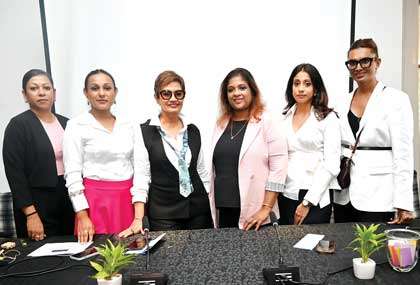
Sri Lanka’s fashion and lifestyle innovator launches personalized fitness boutique at ODEL.. Providing personalized fitness training to health and body-shape conscious individuals has become the latest project of Otara Gunewardene, Sri Lanka’s celebrity fashion and style entrepreneur with the launch of ‘Otone’, a personalized fitness training facility.

Located at Odel’s landmark Alexandra Place outlet, the new facility which opened on March 6, is designed to cater to the individual needs of fitness seekers of all ages, and is equipped and furnished to provide personal fitness training including aerobics, cardio kick boxing, massage, boot camps and children’s fitness programmes. The training programmes at Otone include general fitness, weight loss, body toning, sports conditioning, performance and corrective exercises.

Its group exercise classes include ‘Otone Kick out’, a high calory-burning total body conditioning workout, ‘Otone Boot out,’ a motivation group workout using simple accessories such as cones, tyres, ladders and obstacles and utilizes one’s own body weight, and ‘Otone Sporty Kids’ to get children out of harmful lifestyles and improve their coordination, flexibility, speed and balance. “Being fit and staying in shape has always been an essential part of my life. However, I discovered that working out on my own did not give me results. Working out with a trainer with a program tailor made for me was what changed the shape of my body and gave me the results I wanted.

This is what I am sure many others realize as well and that is why I have come up with this concept,” said Otara Gunewardene, founder and CEO of ODEL. “The most important aspect of this facility is its privacy and its personalized services, which are uncommon with other standard gyms.” “Keeping fit can be tedious and boring, but our approach will be to make it fun and unconventional, achieving results together with physical and mental balance”, Ms. Gunewardene added.